Confidential
Enhancing Tax Compliance Workflows
Highlights
Scaling Tax Automation Through Visual Logic Design
Tax teams were burdened by high-volume, repetitive manual work — creating operational fatigue and elevating compliance risk. In this environment, the cost of being slow was often eclipsed by the financial liability of human error.
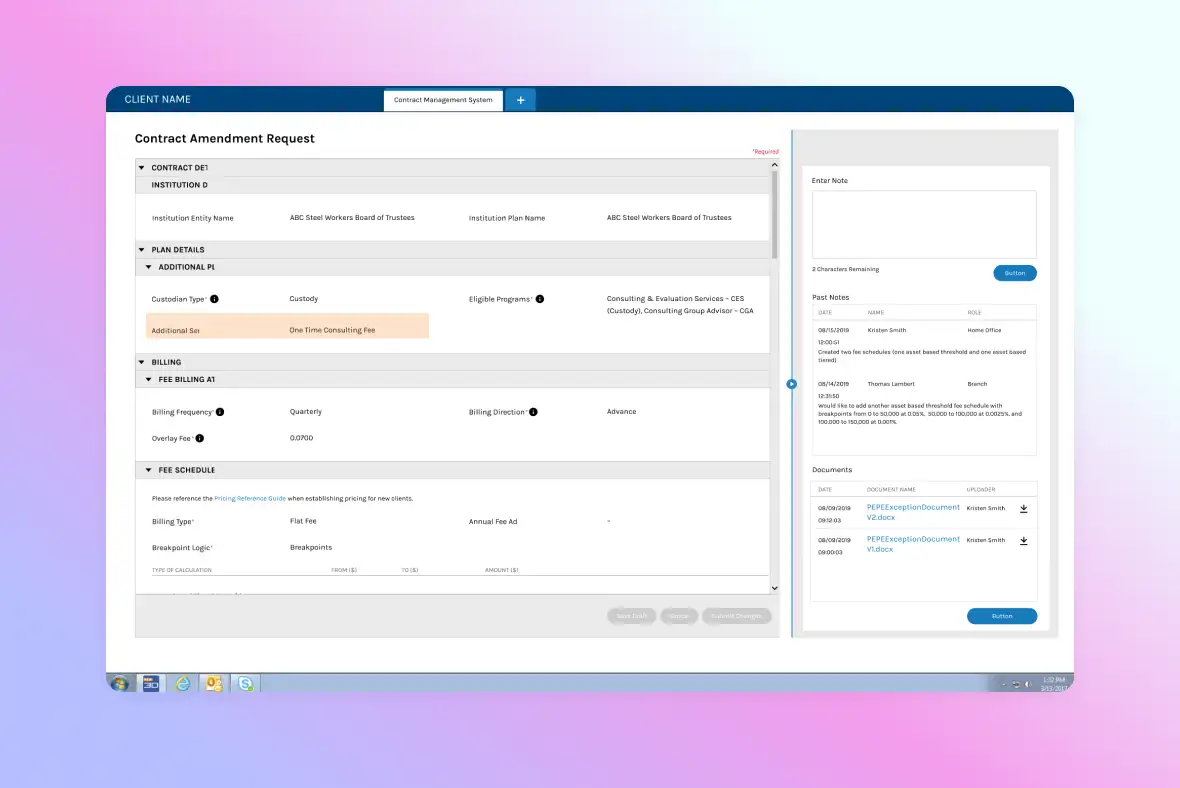
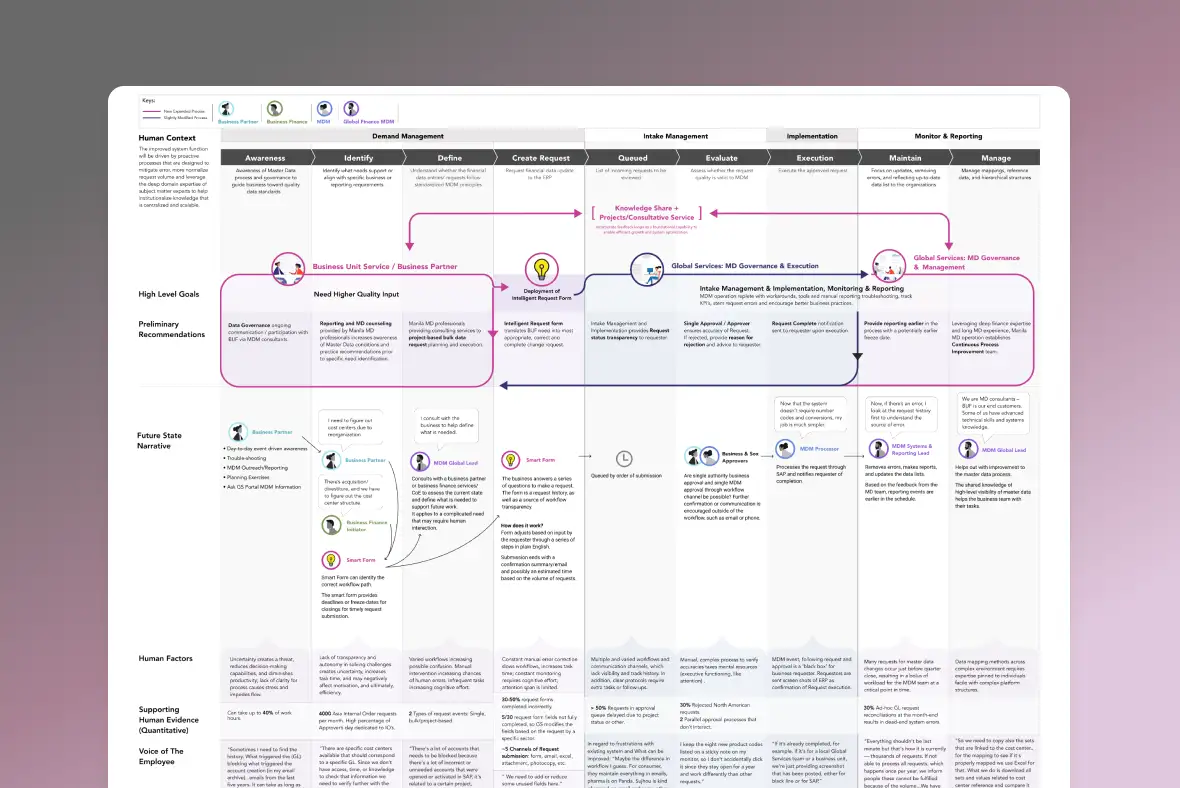
I partnered with multiple product teams to design a suite of early-stage tax tools spanning dataset management, tax analysis, and accounting workflows. Across highly ambiguous early-stage work, I used visual-logic wireframes and prototypes to anchor product vision, align stakeholders, and move teams from hypothesis to shippable solutions.
This approach enabled me to:
Validate complex logic early
Used wireframes as live validation tools, testing whether rule-based automation and edge cases matched user mental models before a single line of code was written — catching logic mismatches early and reducing downstream rework.
Bridge business & technical perspectives
When business and engineering priorities conflicted, I designed multiple concept options that made tradeoffs visible and concrete — giving stakeholders something to react to rather than debate in the abstract, and driving faster alignment on what would actually get built.
Humanize automated workflows
Designed AI-generated insight displays that exposed the underlying table data behind every summary, so users could trace exactly how a figure or trend was calculated — building trust in the system without requiring them to leave the workflow.
Reduce delivery friction
Provided engineers with deeply annotated prototypes mapping interaction logic, states, and edge cases — eliminating guesswork and ensuring what got built matched exactly what stakeholders had signed off on, without costly rework cycles.
Design Tradeoffs
Balancing Flexibility and Precision
Stakeholder interviews revealed that auditors and analysts needed access to raw, inspectable data while managers needed summarized views to make faster decisions — two fundamentally different jobs to be done within the same tool.
The ideal solution was role-based views, giving each user type a tailored experience. But when it became clear that full customization wasn't immediately feasible, I made the call to prioritize a minimal but functional solution: a user-controlled view that let individuals select how they consumed the data.
Rather than wait for the perfect solution, we shipped something that addressed the core need, moved the role-based customization to the backlog, and kept the team unblocked.
In data-driven systems, flexibility isn't a nice-to-have — it's a functional requirement. But so is knowing when a pragmatic solution is the right one.